Datura Poison
How to Obtain
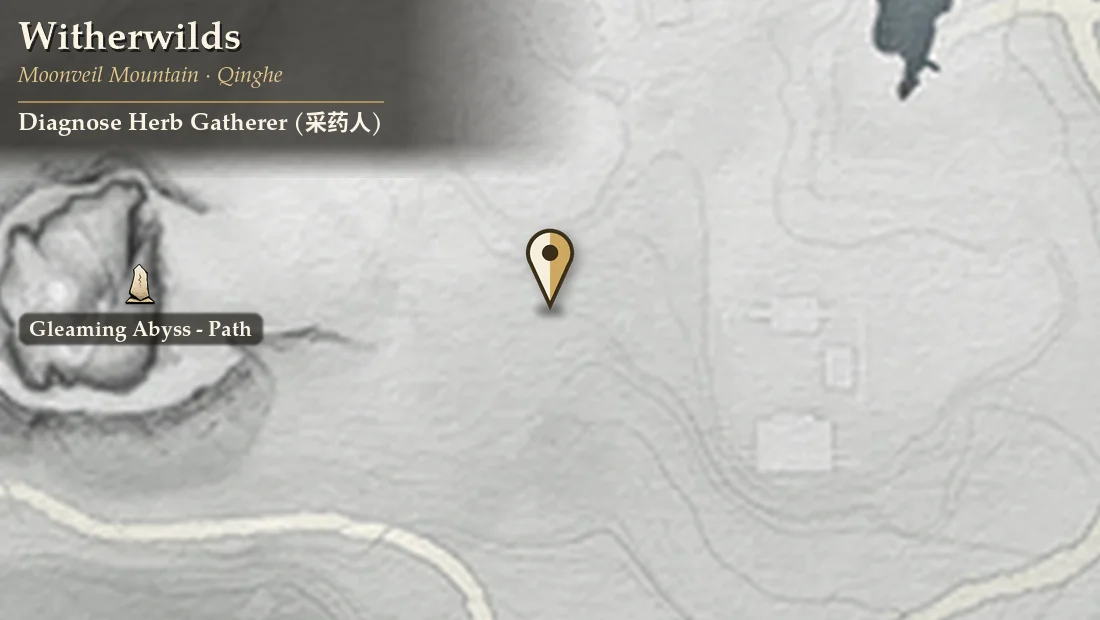
Obtained by touching or gathering datura flowers and getting poisoned. They can be touched at this location as part of a meow meow event. If you completed the event, there will be someone with the sickness on the ground as alternative.

In-Game Description
Datura, also known as Heartbind Bloom, Buddha's Flower, or Flower of Passion, is a highly toxic plant in all its parts. Yet in the hands of divine healers, it can serve as potent medicine. Its blossoms are particularly effective in numbing pain and dulling the senses. But when taken in excess, it becomes a deadly poison, capable of inducing coma and even death. Some say that certain powers in the jianghu are cultivating it in great quantities, though their motives remain unclear. Symptoms of poisoning begin with dry mouth and intense thirst, flushed and dry skin, sometimes accompanied by red rashes, hoarseness, and difficulty swallowing. This progresses to agitation, panic, delirium, auditory and visual hallucinations, and loss of coordination. In severe cases, symptoms escalate to stupor, convulsions, cyanosis, and ultimately respiratory failure and death.
Attachments