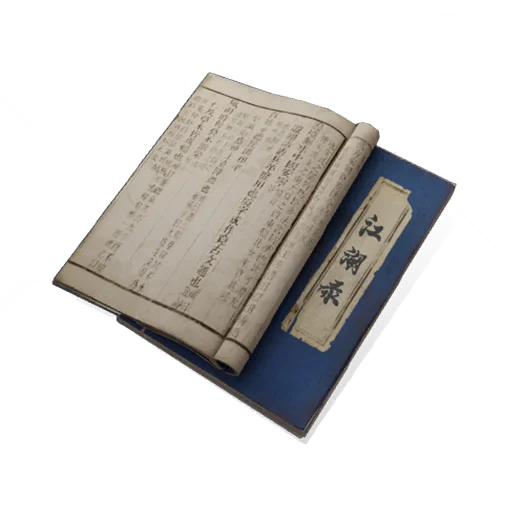
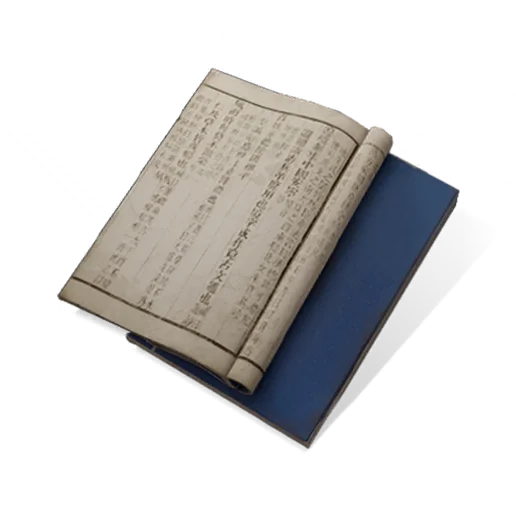
Yanzi's Spring and Autumn Annals
How to Obtain
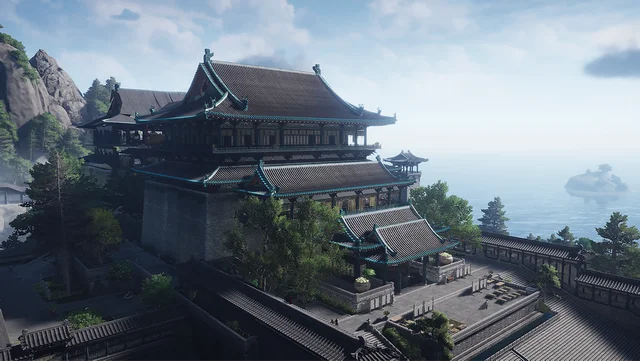
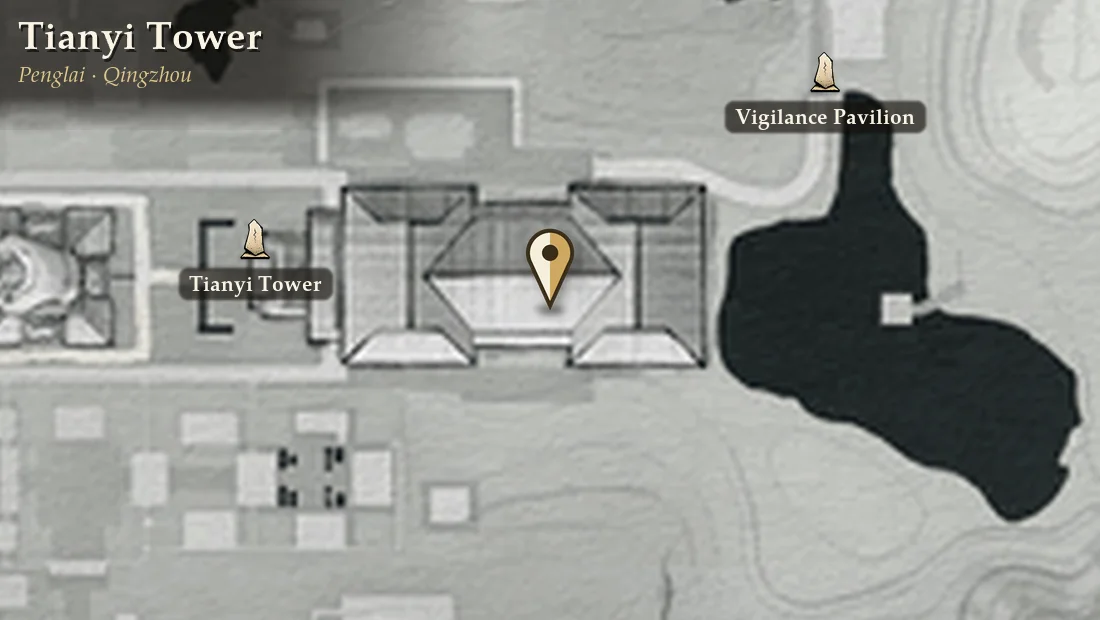
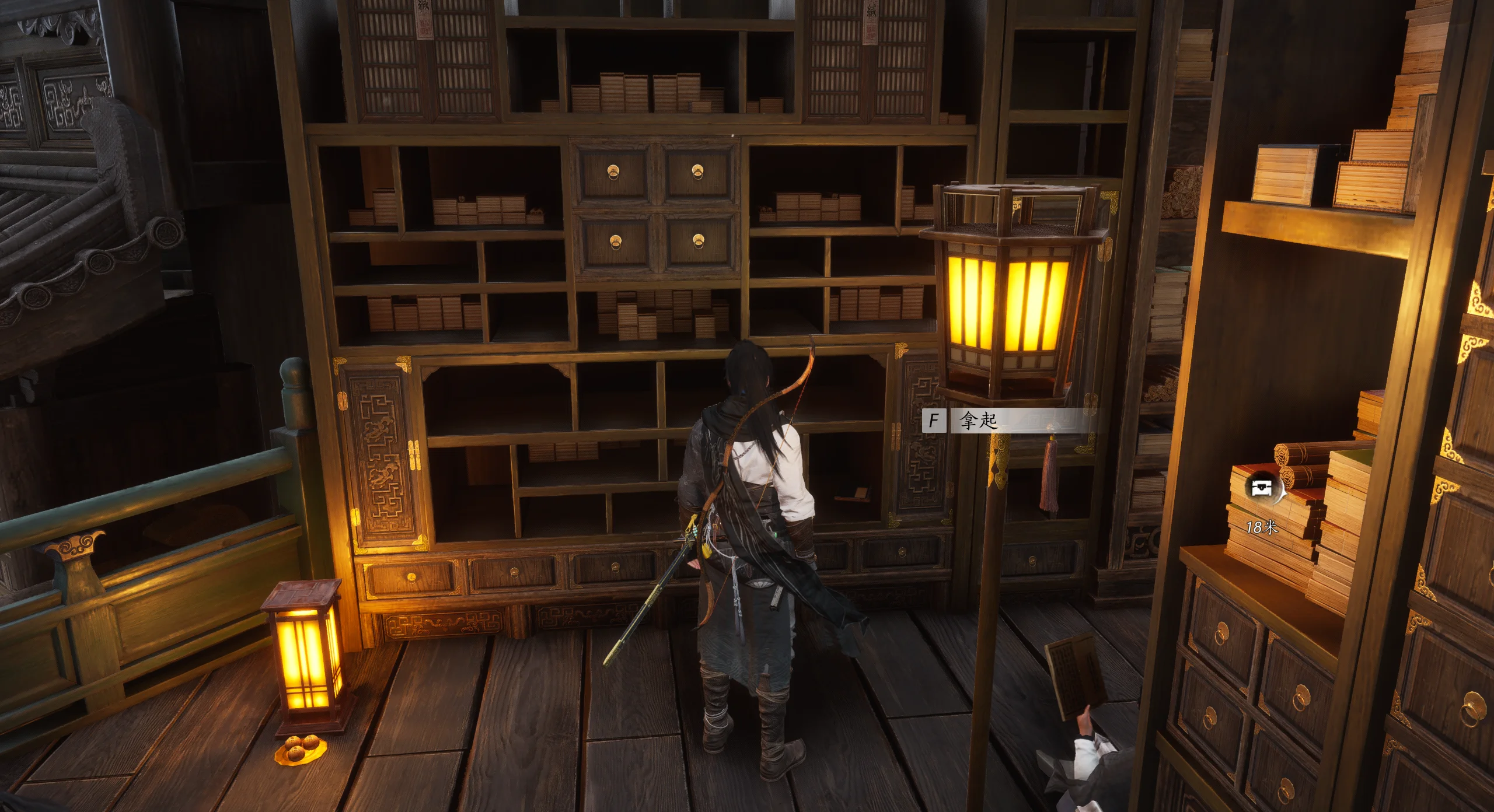
On the bookshelf in the lower second-floor corridor in the middle of Tianyi Tower (behind Sun Xiuyuan)
In-Game Description
Traditionally attributed to Yan Ying, this work records his conduct and his words of remonstrance; its prose is elegant and well-ordered, worthy of serving as a model for later ages. Liu Xin's Seven Summaries and Ban Gu's The Book of Han: Treatise on Literature placed it among the Confucian texts in the section on various schools of thought, on account of its guiding principle of "taking the people as the foundation and sharing joy with the people," which aligns it closely with the school of Confucius. However, the General Catalogue of the Siku Quanshu noted that, though the work bears the name of Yan Ying as its crown, it was in truth compiled by later hands gathering together his words and deeds, and was likely not the work of a single author. It was therefore moved from the Confucian subsection of the philosophers' section into the biographical subsection of the history section, so as to, in its own words, "more fitly accord with the truth."
Attachments