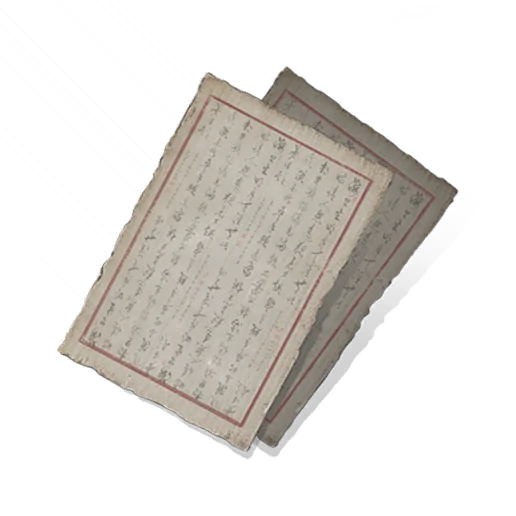
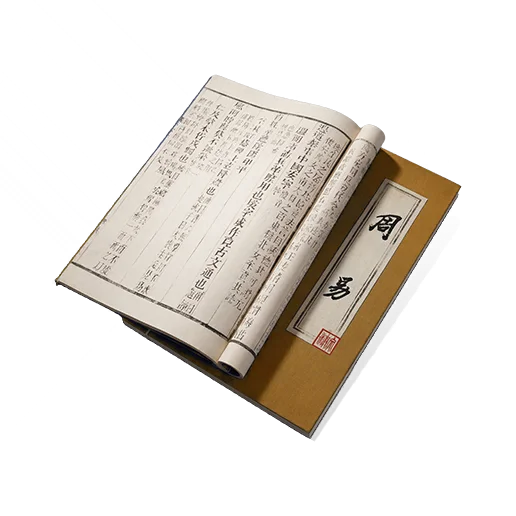
The Book of Changes
How to Obtain
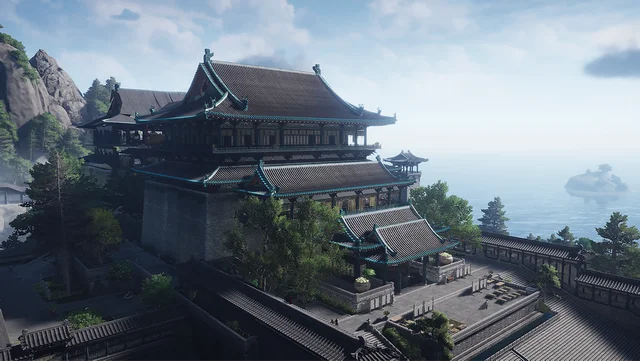
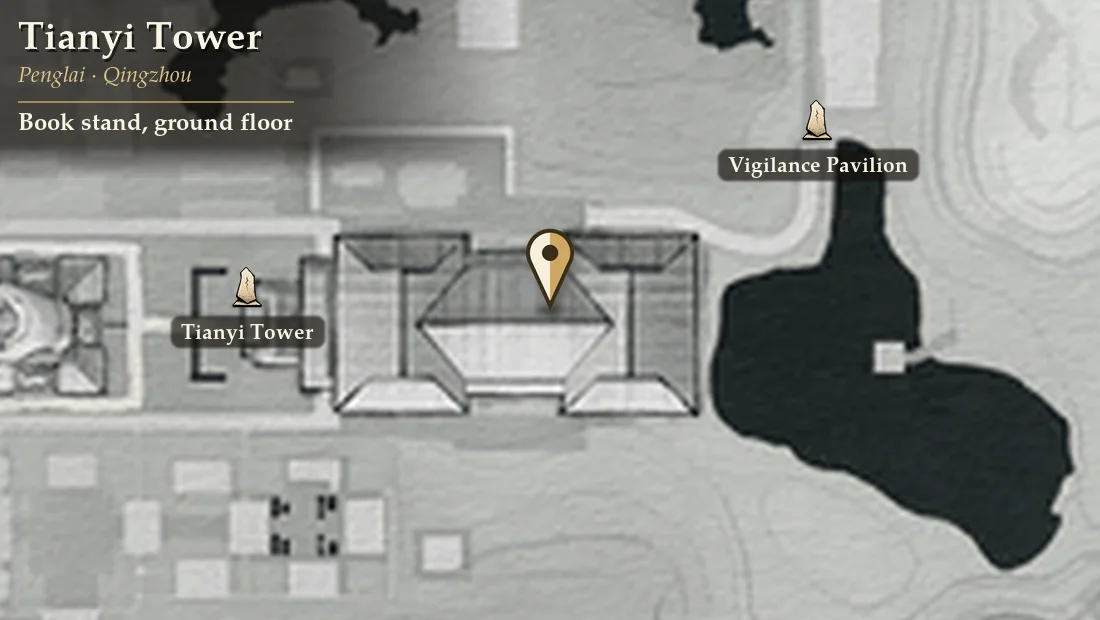
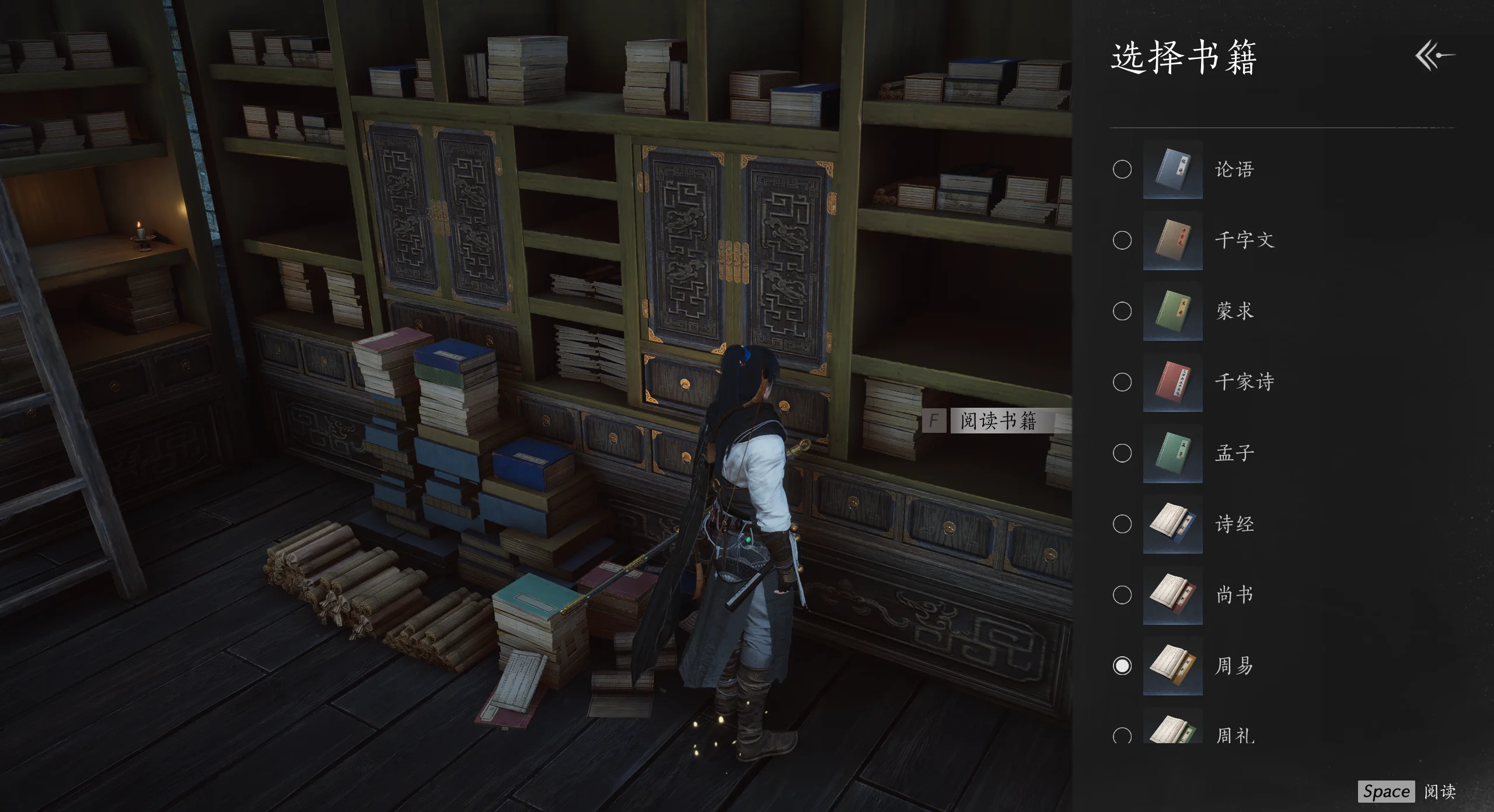
Read it at the bookshelf by the first staircase after entering Tianyi Tower (turn left), selecting "Book of Changes"
In-Game Description
The Book of Changes was composed between the Yin-Zhou and Warring States periods, and is divided into two parts: the Canon and the Commentaries. The Canon takes the Eight Trigrams as its foundation, doubled into sixty-four Hexagrams, each accompanied by a Hexagram statement and line statements. It is said that Fu Xi drew the Eight Trigrams, King Wen composed the Hexagram statements, and the Duke of Zhou composed the line statements. The work thus originated as a book of divination. The Commentaries comprise ten chapters, known as the "Ten Wings," containing such pieces as the Tuan, the Xiang, the Appended Statements, the Refined Words, the Explanation of the Trigrams, the Sequence of Hexagrams, and the Miscellaneous Hexagrams. These are said to have been written by Confucius, with the aim of expounding the principles of the waxing and waning of yin and yang, and the transformations between Heaven and Man. In the Han dynasty, it was enshrined among the official academies, standing first among the Five Classics. In the Wei dynasty, Wang Bi interpreted the Book of Changes through the thought of Laozi and Zhuangzi, setting aside the Images and Numbers school and founding the Righteousness and Principle school. In the Tang, Kong Yingda received an imperial decree to compile the Correct Meaning of the Book of Changes, which was established as the foundation for official examinations. Every age has extolled it as "the foremost of all classics, the source of the Great Way." Its twin paths of Images and Numbers on one hand, and Righteousness and Principle on the other, serving both as tools of divination and as the lifelong learning of scholars and gentlemen alike.
Attachments