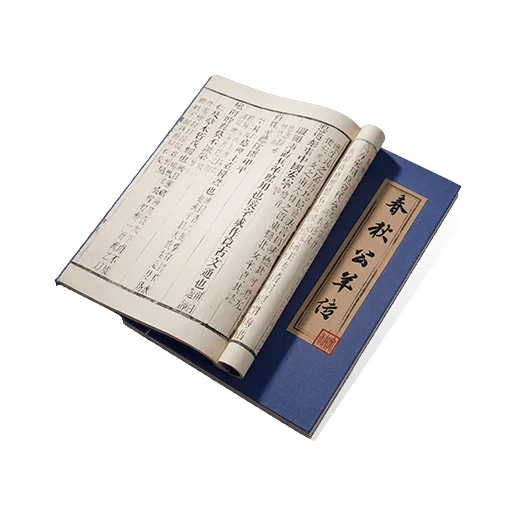
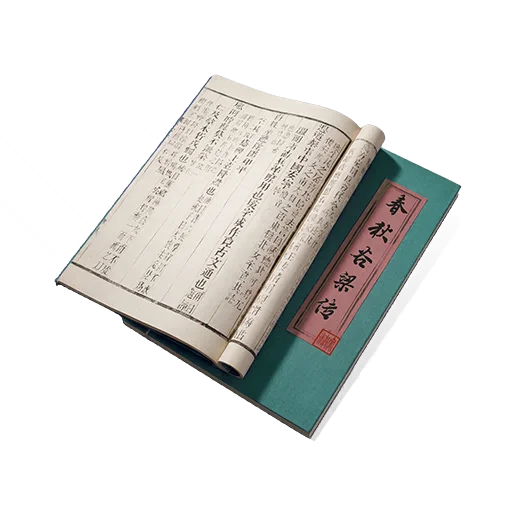
Zuo Zhuan
How to Obtain
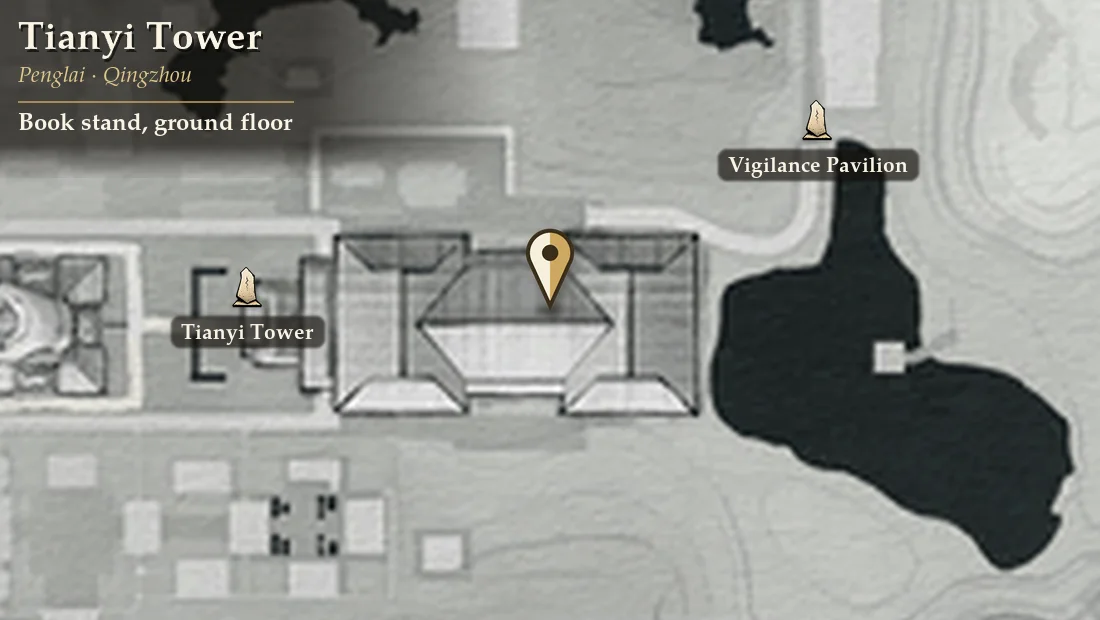
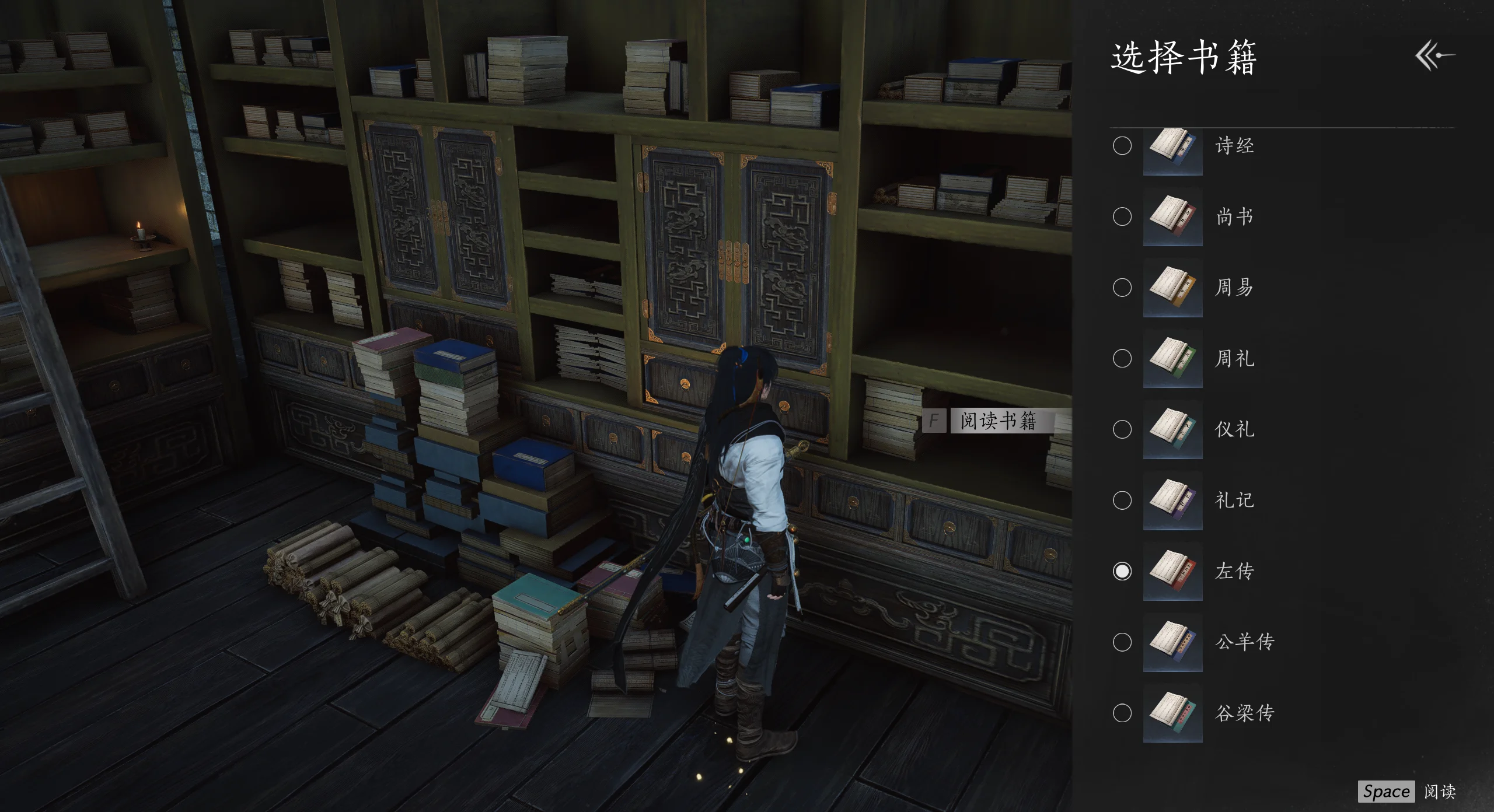
Read it at the bookshelf by the first staircase after entering Tianyi Tower (turn left), selecting "Zuo Commentary"
In-Game Description
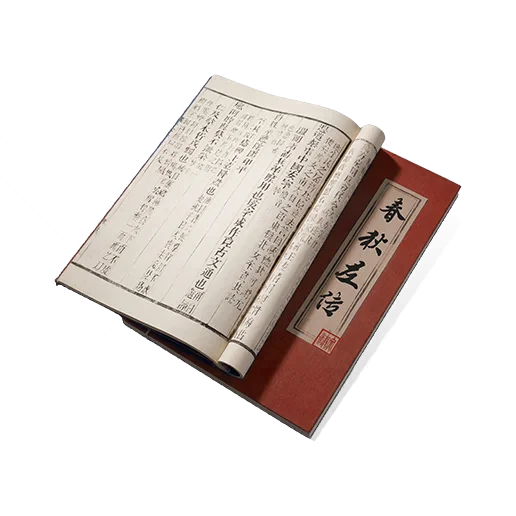
Zuo Zhuan, meaning "The Commentary of Zuo," was completed in the early Warring States period, composed by Zuo Qiuming. It is one of the Three Commentaries on the Spring and Autumn Annals. The canon and commentary originally circulated separately; later scholars divided the commentary and appended it to the canon, thus producing the text as it stands today. The work is arranged according to the sequence of the twelve lords of the state of Lu, beginning from the first year of Duke Yin of Lu and concluding at the twenty-seventh year of Duke Ai of Lu, extending thirteen years beyond the canon of the Spring and Autumn Annals itself. The work excels in narrative, recording in detail the diplomatic missions, covenant assemblies, military campaigns, usurpations and assassinations, marriages and funerals, and sacrificial rites of the various states, extending also to court regulations and canonical institutions, the words and conduct of characters, and matters of spirits, portents, and calamities. The text frequently employs the formula "the gentleman says" to advance its judgements, illuminating its righteousness of praise, censure, encouragement, and admonition. Its narrative is rich and thorough, its threads of reasoning clear, serving both as a bridge for the interpretation of the canon and as a mirror of warning for historians. In the early Western Han, Zhang Cang, Jia Yi, and others transmitted its learning; later, Yin Gengshi, Liu Xin, and successive scholars continued to study and elaborate upon it, and the tradition of chapter-and-verse scholarship gradually flourished. In the Eastern Han, Jia Kui, Fu Qian, and others composed annotations for it, and Zheng Xuan also began but did not complete an annotation of Zuo Zhuan. In the Western Jin, Du Yu composed the Collected Interpretations of the Spring and Autumn Canon and Commentary, annotating canon and commentary together. In the Tang, Kong Yingda received an imperial decree to compile the Correct Meaning of Zuo Zhuan on the Spring and Autumn Annals, establishing it as the foundation for the official examinations.
Attachments